


ESG emergency response in water and effluents: essential service for sustainability
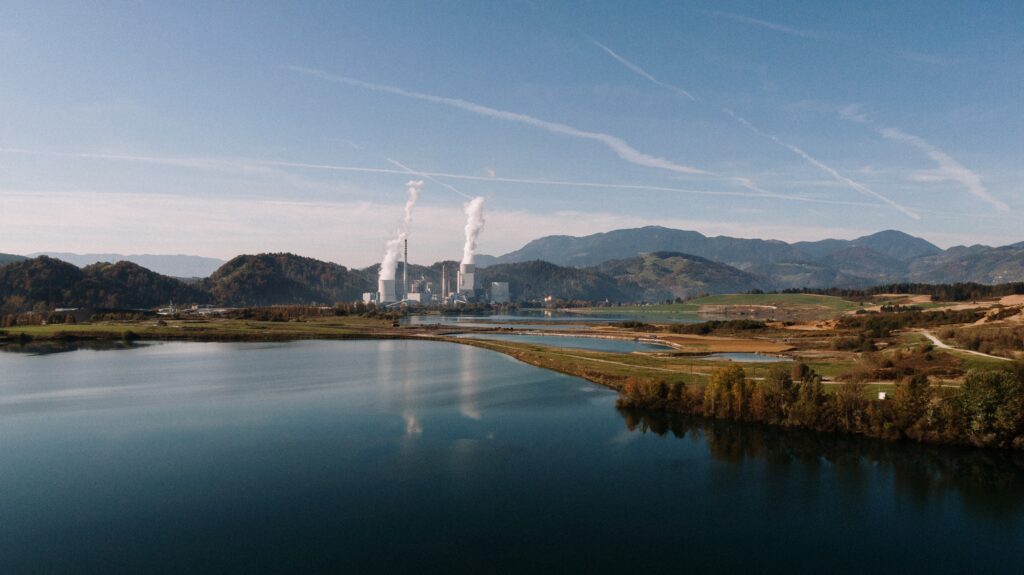
In recent years, the search for an ESG emergency response company in water and wastewater has grown significantly. The reason is clear: organizations of all sizes have been pressured by investors, consumers and regulators to operate with environmental, social and governance responsibility, including the ability to prevent, react to and mitigate environmental incidents efficiently. In […]
How to reduce fouling in reverse osmosis membranes?

Fouling in reverse osmosis membranes membranes is a critical problem that compromises efficiency, increases energy consumption and raises operating costs in water treatment systemsmineral deposits require higher pressures, reduce the flow of treated water and force frequent chemical cleanings. Recently, the control of this fouling has evolved from a simple operational practice to an essential […]
Emerging technologies in industrial effluent treatment
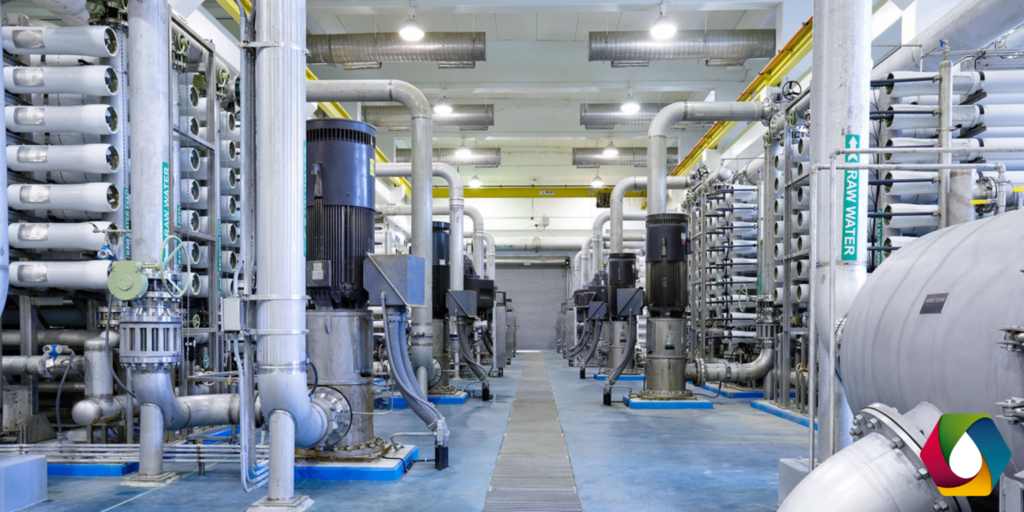
Emerging technologies in industrial wastewater treatment are transforming the management of pollution, water scarcity and regulatory compliance in companies. This change is driven not only by environmental pressure, but also by the economic need to avoid high costs, fines and loss of competitiveness caused by inefficient processes. In recent years, more intelligent, modular and energy-efficient […]
Biogas Generation from a Wastewater Treatment Plant
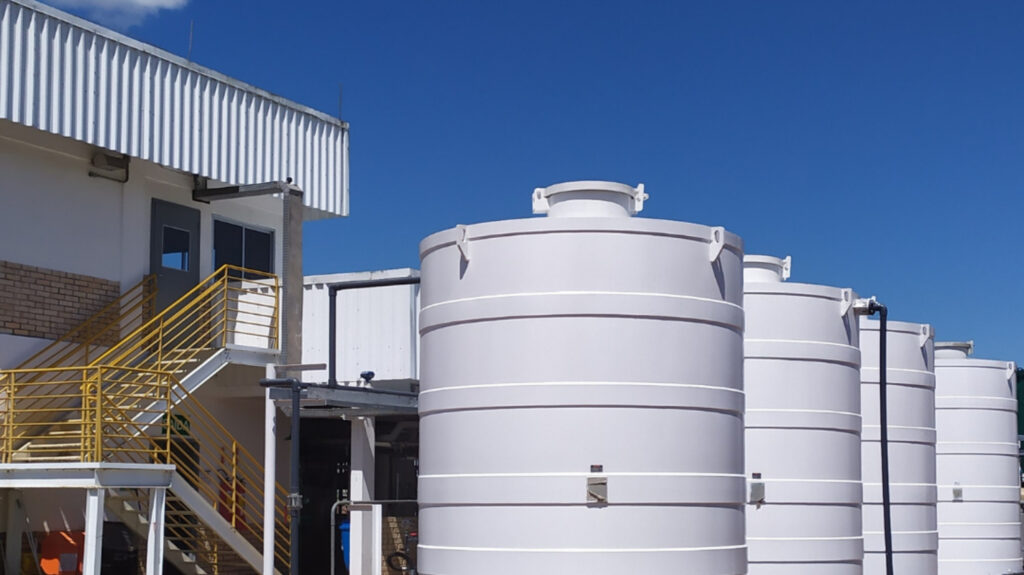
Generating biogas from from a biogas Treatment Treatment Treatment Plant (STP) is a sustainable way of taking advantage of the organic matter in waste, reducing energy costs and environmental impacts.. Main Steps to Generate Biogas Sludge production: During sewage treatment, the formation of biological sludge, rich residue in matter organic, which é a main materialcousin […]
Technologies to Reduce Phosphorus in Sanitary Effluent in Brazil and Worldwide
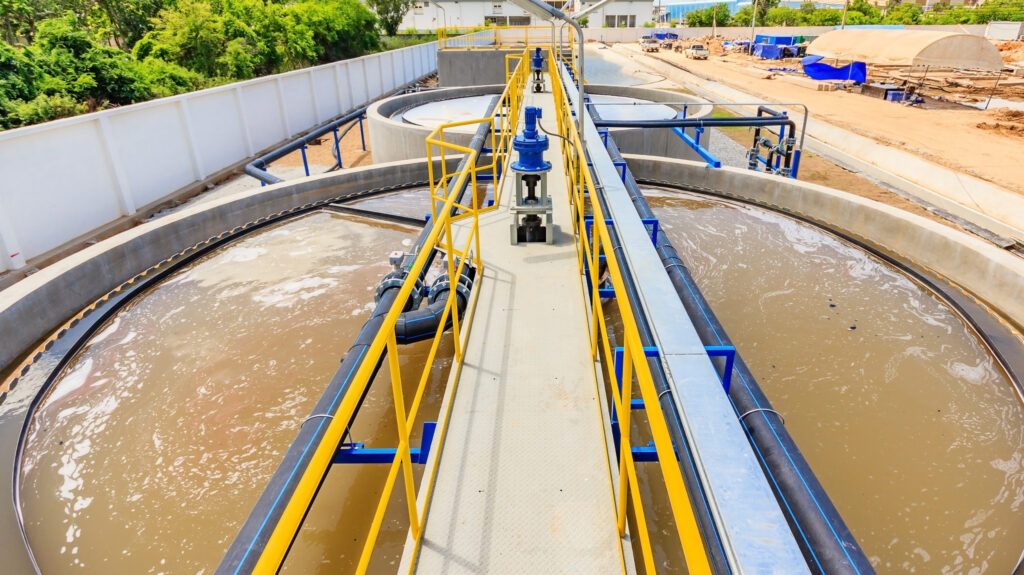
The removal of phosphorus from sanitary effluents is one of the main focuses of innovation in the sanitation sector in Brazil and worldwide. The growing need to reduce the discharge of this nutrient into receiving bodies has driven the development of new technologies to reduce phosphorus in sanitary effluent, increasing the efficiency of treatment plants […]
Did you know that cemeteries can contaminate soil and water? Learn about putrescine and cadaverine analysis
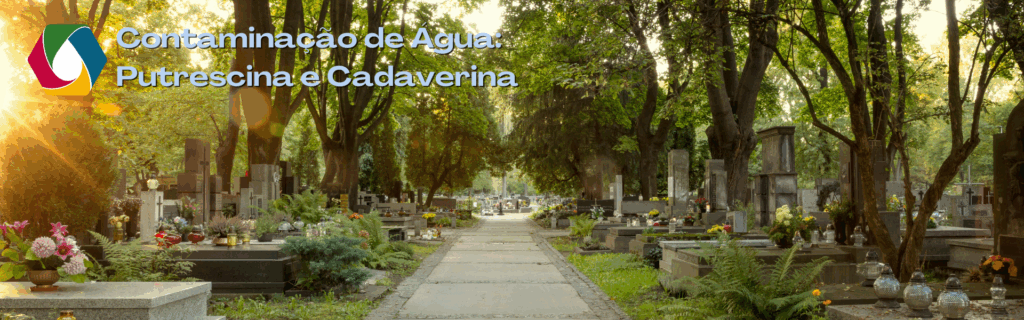
Find out how cemeteries can generate environmental risks and why the analysis of putrescine and cadaverine is crucial for soil and water safety. The environmental impact of cemeteries The management of cemeteries, whether by municipalities, concessionaires or owners, involves a responsibility that goes beyond memory care. The decomposition of organic matter underground can generate significant […]
CONAMA Resolution 430: Learn how to ensure the safe operation of your Effluent Treatment Plant

A CONAMA Resolution 430 represents a fundamental regulatory milestone in Brazil, establishing the standards and conditions for the discharge of effluents into water bodies. This legislation is mandatory for all companies operating Effluent Treatment Plants (ETPs) that discharge into receiving bodies, regardless of their size or sector of activity. Failure to comply with the guidelines […]
What to do with the sludge generated at the WTP?
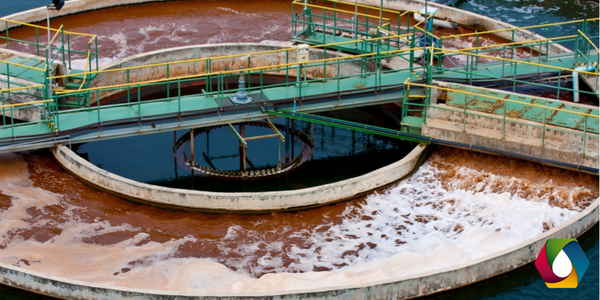
To understand what to do with the sludge generated in a WTP, it’s important to know that this waste, produced during the water treatment process, requires specific care to ensure environmental safety and comply with current regulations. The correct management of WTP sludge helps to reduce impacts, optimize operating costs and transform waste into resources. […]
How to remove ammonia from wastewater?
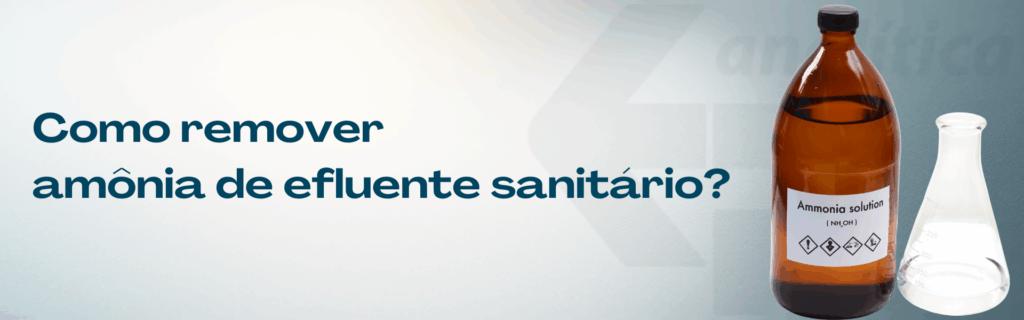
The presence of ammonia in sanitary effluents represents one of the main operational challenges in sewage treatment systems in Brazil and around the world. The search for technologies to reduce ammonia in sanitary effluents has grown due to stricter environmental requirements and the need to protect sensitive water bodies. Ammonia (NH₃/NH₄⁺) is a nitrogenous compound […]
Why should water and sanitation be on the COP30 agenda?
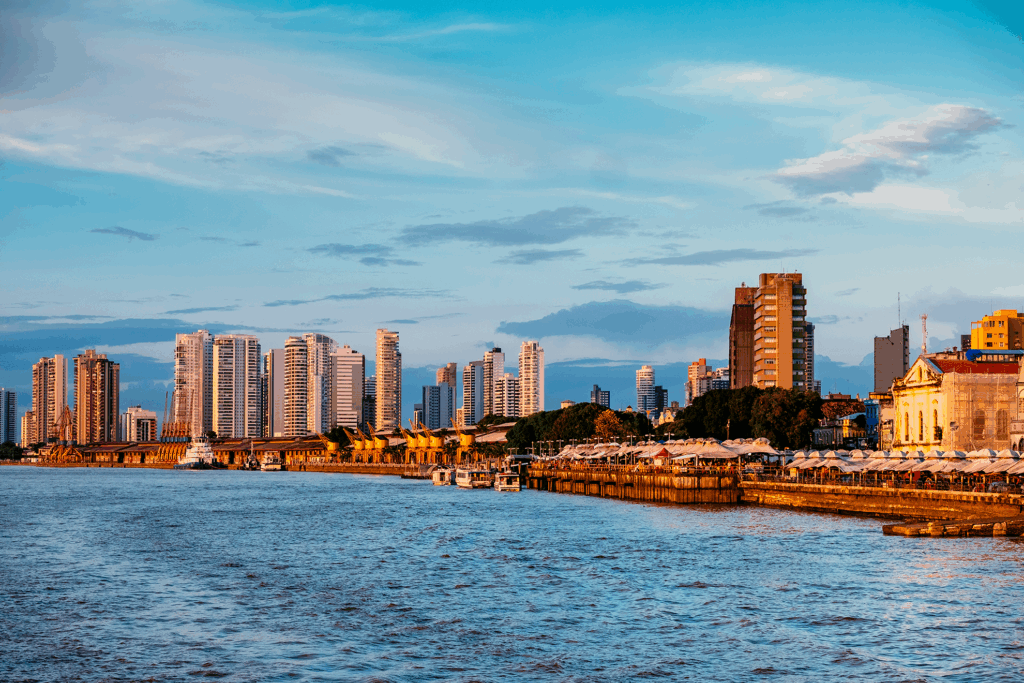
COP 30 begins today in Belém (PA) and represents a historic milestone for Brazil, not only for hosting the biggest global event on climate change, but also for putting the Amazon at the center of the discussions. However, one key issue has yet to be given the prominence it deserves: water management and basic sanitation. […]