
When a company decides to expand a plant or open a new facility, much of the discussion begins with what seems most urgent: land, factory layout, production line, installed capacity, power, permits, construction schedule, and investment.
But there is one issue that, if brought up too late in the conversation, can jeopardize deadlines, budgets, and even future operations: water and wastewater management.
For a plant manager, this is not an isolated “environmental” issue. It is an operational decision. Every industrial expansion increases the pressure on water consumption, effluent generation, compliance with legal requirements, existing infrastructure, and production stability.
In other words: as the plant grows, so does the responsibility for water and effluent management.
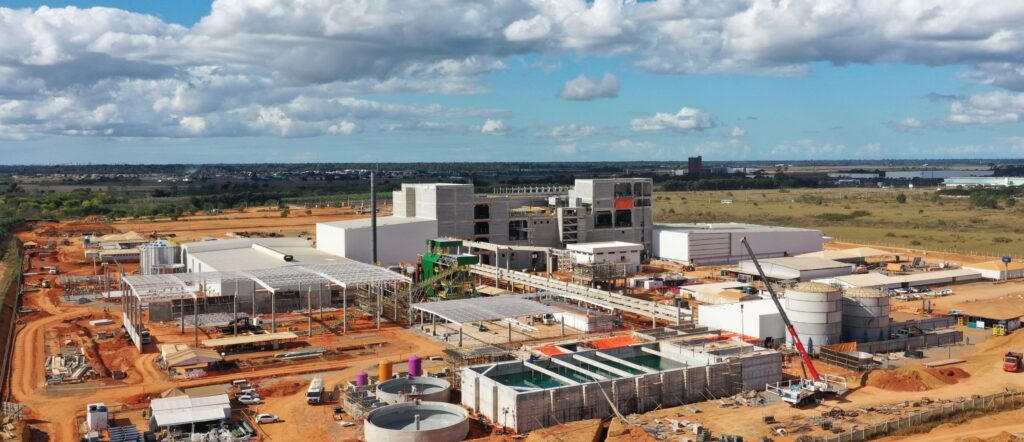
Imagine a company that is about to open a new facility or expand an existing plant. At some point during the project, someone needs to answer some critical questions:
It is common for these considerations to receive more attention once the project is further along. This is because, in the early stages, the focus is usually on decisions such as location, production, layout, civil engineering, permits, and investment.
However, the sooner water and wastewater are incorporated into the planning process, the greater the leeway to adjust routes, forecast costs, and avoid decisions made under time pressure.
In an industrial expansion, the wastewater treatment plant, the water reuse system, the water supply, and the disposal routes are not ancillary structures. They are part of the plant’s production capacity.
If the new facility was designed to produce more, the environmental system must keep pace with this new reality.
When this planning is done from the outset, the company is able to assess more clearly:
This forward-looking approach reduces uncertainty and helps avoid a common situation in industrial projects: realizing, after several decisions have already been made, that the planned solution needs to be revised to meet the plant’s actual needs.
In many projects, the discussion about wastewater treatment plants gains momentum at a later stage, when the expansion has moved beyond the conceptual phase and begun to take shape. This does not mean the project is doomed, but it does indicate that certain decisions now require greater technical care.
The later the issue is addressed, the less flexibility there tends to be to adjust the physical layout, hydraulic flow path, budget, schedule, and integration with operations. For this reason, the company may need to revisit assumptions, adjust the solution, or seek alternatives better suited to the actual situation.
For the plant manager, this insight is important because water and effluents are not limited to the environmental sphere.
When the system fails to keep pace with operations, the repercussions can be felt in production, maintenance, operational safety, and compliance with legal requirements.
For this reason, the wastewater treatment plant (WWTP) should be viewed as part of the infrastructure that supports the plant’s continuity. Even when it is incorporated into the planning process at a later stage, it is still possible to reduce risks when the technical analysis is conducted thoroughly and promptly.
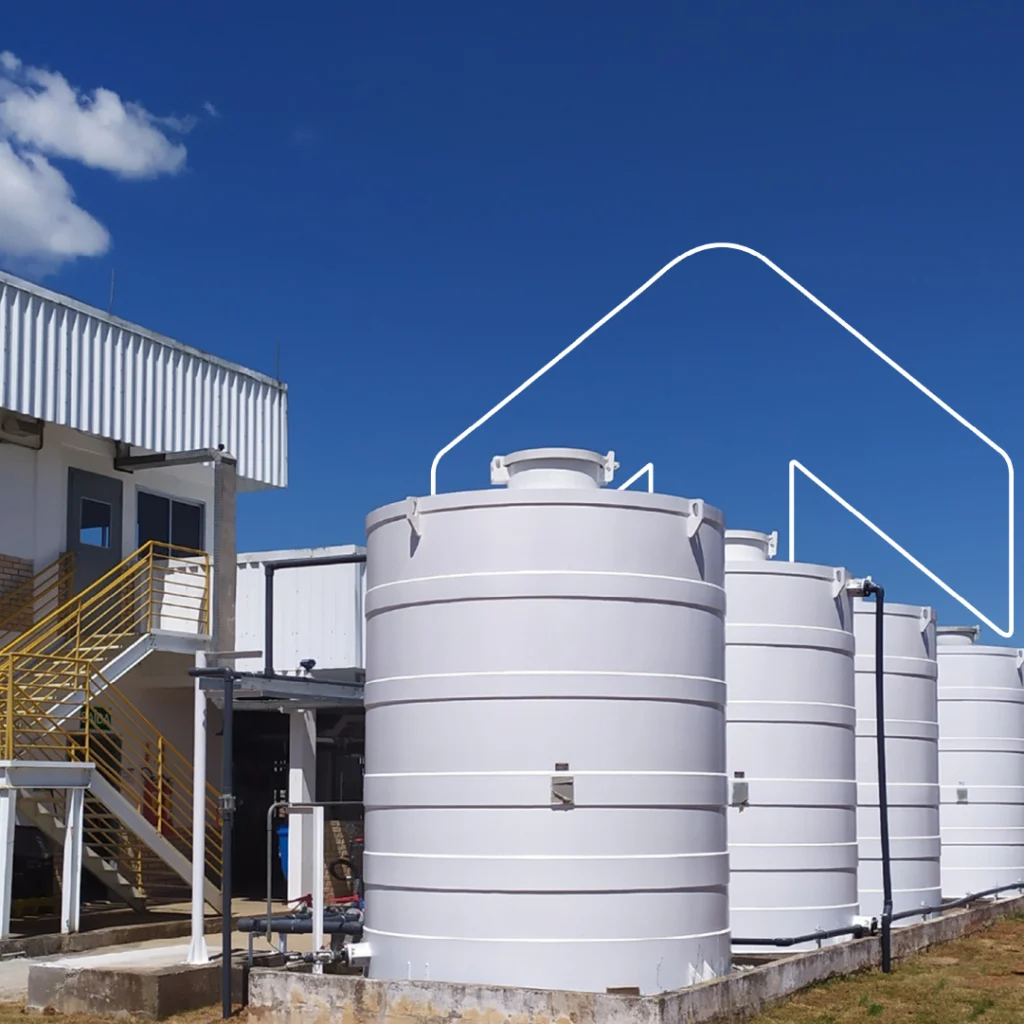
When water and effluents are considered at the outset of the project, the company gains time to explore alternatives, compare technological pathways, and define a solution that aligns with the operation’s profile.
This allows for smarter decisions, such as:
For the plant manager, this type of planning helps protect the expansion schedule and reduces the likelihood that environmental issues will become a source of pressure as the operation nears its launch.
In addition to the operational impact, there is one factor that cannot be overlooked: compliance with environmental laws.
In Brazil, the discharge of effluents must comply with legal standards and requirements, including CONAMA Resolution No. 430/2011, which establishes the conditions and standards for effluent discharge and supplements CONAMA Resolution No. 357/2005. This means that the industry must evaluate parameters such as effluent characteristics, the receiving body, discharge limits, monitoring, and the requirements of the competent environmental agency.
It is also important to note that failure to comply with environmental obligations may result in administrative sanctions. Law No. 9,605/1998, known as the Environmental Crimes Law, provides for penalties for conduct harmful to the environment, and Decree No. 6,514/2008 regulates environmental violations and administrative sanctions, including warnings, fines, suspension of construction or operations, partial or total suspension of activities, and other measures.
The amount of an environmental fine may vary depending on the severity of the violation, the damage caused, the violator’s prior record, and the company’s financial situation. Under Law No. 9,605/1998, fines can range from R$ 50.00 to R$ 50 million.
In other words: treating water and effluents from the outset is not just a technical decision. It is also a way to reduce legal exposure, avoid delays in licensing, and protect the operation from costs that could have been anticipated earlier.
In addition to the system’s implementation, a new plant can also benefit when continuous operation is already factored into the planning. Instead of focusing solely on the delivery of the physical structure, the industry begins to consider how that wastewater treatment plant will be operated, monitored, and adjusted over time.
At this point, solutions such as the STEPhelp bring greater predictability to operations. The model combines specialized operations, technical support, technology, monitoring, and performance management to keep the system running more efficiently on a day-to-day basis, reduce waste, anticipate deviations, and avoid higher costs in the long term.
In this scenario, having technical support from the very beginning makes all the difference. Before deciding on a solution, it is necessary to understand the operation, characterize the effluent, evaluate project constraints, and determine the best treatment path.
Since 1974, the EP Group has supported large companies with technical assessments, environmental analyses, treatability tests, project development, system implementation, the supply of equipment and chemicals, and operational assistance and monitoring for water and wastewater treatment.
The EP Process Engineering division of the EP Group specializes in developing solutions for water and wastewater treatment, supporting industries from technical design through system implementation. In expansion projects, this support helps evaluate assumptions, size the necessary infrastructure, and define a treatment path compatible with the plant’s operational reality.
This integrated approach helps the industry move beyond a generic question, such as “Will we need a wastewater treatment plant?”, toward a more useful analysis:
Which system makes sense for this operation, at this volume, with this effluent, in this space, and within this expansion plan?
It is this answer that reduces risk and provides greater certainty for decision-making.
Expanding a business is a strategic decision. But for that growth to happen without compromising operations, water and wastewater must be part of the conversation from the very beginning.
When this issue is addressed early on, the company can plan more effectively, reduce the need for improvisation, and increase the project’s predictability.
For plant managers leading or participating in an industrial expansion, the message is clear: before finalizing the layout, schedule, and budget, it’s worth giving environmental infrastructure the same priority as production.
Because a new plant doesn’t just depend on increased production capacity. It also needs a system designed to operate safely, in compliance with regulations, and efficiently from day one.
If your company is planning an expansion, plant enlargement, or the establishment of a new facility, the EP Group can provide support from the initial studies through to the selection of the most appropriate solution for water and wastewater treatment.


