


Climate phenomena such as El Niño have made it increasingly clear that water management must be part of industries’ strategic planning. When climate change alters rainfall patterns, the impacts can affect water intake, water quality, treatment costs, and operational continuity.
In this context, industrial water reuse is gaining importance as a technical alternative to reduce dependence on external sources, increase operational predictability, and strengthen water security during periods of greater climate instability.
What is El Niño?
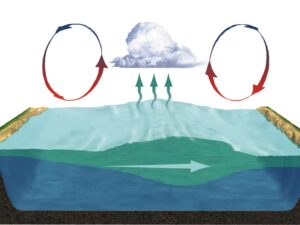
El Niño is a climate phenomenon associated with the abnormal warming of the surface waters of the Equatorial Pacific Ocean. This change affects wind patterns and influences rainfall patterns in different parts of the world.
In practice, their effects may vary by region, but they are usually related to:
- Rising temperatures;
- Droughts;
- Heavy and sporadic rainfall;
- Increased frequency of extreme weather events;
- Changes in water availability and quality.
For this reason, El Niño should not be understood merely as a period of “more rain” or “less rain.” The key point is irregularity. In some regions, there may be prolonged droughts and reduced water availability. In others, heavy rains can increase water turbidity, carry sediment, waste, and contaminants, and put pressure on drainage, treatment, and water supply systems.
Why does this matter to the industry?
Water is an essential input for various industrial processes. It may be used in cooling systems, boilers, washing systems, restrooms, production, environmental control, steam generation, wastewater treatment, and auxiliary services.
When there is a reduction in water availability or a decline in the quality of the water being collected, operations may face impacts such as:
- Greater difficulty in raising funds;
- Increased treatment load;
- Increase in operating costs;
- Higher energy consumption;
- Overload in treatment systems;
- Risk of a decline in efficiency in production processes;
- Delays, stoppages, or operational disruptions in critical situations.
In other words, the risk to the industry lies not only in water scarcity itself, but in the instability it causes. An operation that depends exclusively on external sources becomes more vulnerable when there are sudden changes in the climate, supply, and quality of available water.
The problem isn’t just a lack of water
When it comes to water security, people often think first of water shortages. But for industry, the quality of the available water is also a critical issue.
During periods of drought, reduced flow in rivers, reservoirs, and springs can cause pollutants to become concentrated and make water collection more difficult. During periods of heavy rain, on the other hand, the water may contain higher levels of silt, organic matter, solids, waste, and other contaminants.
These variations place greater demands on treatment systems and may increase the need for operational adjustments, chemicals, monitoring, and maintenance. In some cases, the available water may not meet the required parameters for certain industrial uses without additional treatment.
Therefore, companies operating in water-intensive sectors need to prepare for less predictable scenarios by implementing strategies that reduce their dependence on external sources and increase their control over the water resources used in their operations.
Water Reuse in Industry as a Business Continuity Strategy
Water water reuse involves the treatment and reuse of effluents or internal water streams from the operation itself, allowing the water to be reused in compatible applications.
Depending on the project, reclaimed water can be used for purposes such as:
- Washing floors, patios, and equipment;
- Cooling systems;
- Cooling towers;
- Sanitary discharges;
- Irrigation of green spaces;
- Support services;
- Specific industrial processes, when technically feasible;
- Reduction in new water intake.
As a result, the industry is able to reduce its dependence on external water sources, ease the pressure on water sources, and increase the predictability of operations during periods of greater climate instability.
More than just an environmental initiative, water reuse can contribute to operational efficiency, cost reduction, and risk management. In the context of climate change, droughts, and extreme weather events, treating and reusing water on-site can be a key competitive advantage for companies that need to maintain production, quality, and compliance.
Reuse also requires technical planning
Despite the benefits, water reuse must be planned carefully. Each operation has its own characteristics, such as the type of effluent generated, load variations, the quality required for the intended use, available space, applicable regulations, and operational objectives.
Therefore, a reuse project should include steps such as:
- Assessment of available water sources and effluents;
- Physical-chemical and microbiological characterization;
- Definition of possible uses for reclaimed water;
- Assessment of operational and health risks;
- Selection of the appropriate treatment regimen;
- Continuous quality monitoring;
- Integration with existing systems;
- Technical and Economic Feasibility Analysis.
This precaution is essential to ensure that the reclaimed water is suitable for its intended use and that the system operates safely, reliably, and efficiently.
Major industries are already investing in reuse
Water reuse is already part of the strategy for large industrial operations seeking to reduce water-related risks, improve efficiency, and make their processes more sustainable. Check out some of our completed projects:
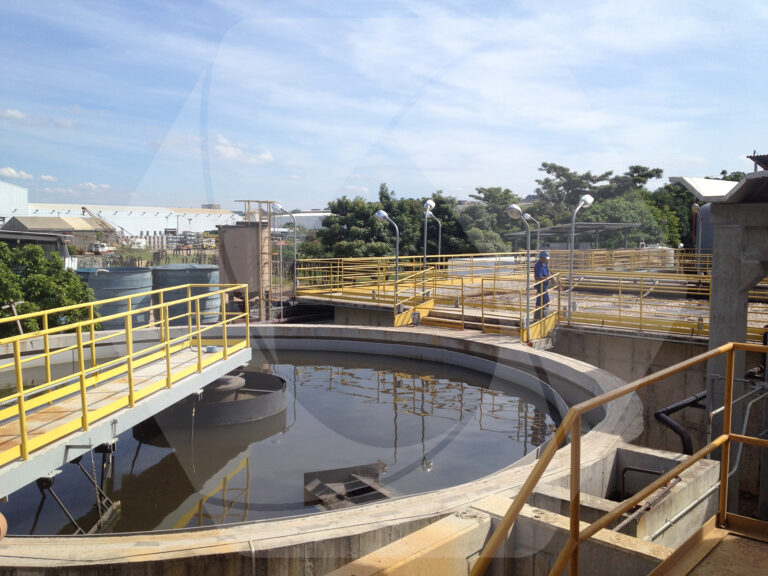
At an auto parts manufacturing facility, the EP Group implemented and began operating a wastewater treatment plant (WWTP) using advanced technologies to treat industrial and sanitary effluents, generating high-quality reclaimed water for the plant itself. The project achieved a 75% recycling rate for treated water and zero-discharge operations, underscoring how water reuse can support operational efficiency, environmental compliance, and water security.
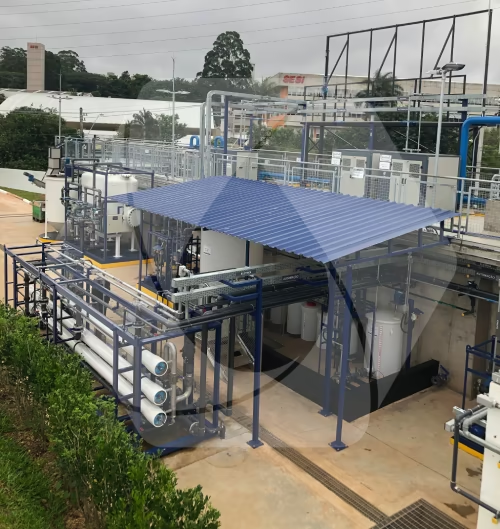
Another example is the project developed for Scania, in which EP Engenharia delivered a comprehensive solution for the treatment and reuse of industrial and sanitary effluents. With a flow rate of 15 m³/h, the treatment plant enabled 80% of the effluent to be converted into reclaimed water, which was then returned to the manufacturing process as cooling water.
These projects demonstrate that, when properly structured, reuse can have a significant impact on an operation’s water management, helping to reduce water withdrawal, reuse internal resources, and prepare the industry for scenarios of increased water stress.
Unpredictable weather calls for water planning
Phenomena such as El Niño underscore a reality that is becoming increasingly important for the productive sector: water must be treated as a strategic asset.
When water availability and quality become less predictable, the industry must anticipate risks and adopt solutions that enhance its operational resilience. In this context, water reuse stands out as a technical alternative to support production continuity, reduce external dependencies, and strengthen water security.
With more than 50 years of experience in the environmental sector, the EP Group develops and implements water reuse systems for industrial facilities, supporting operations that need to turn water-related challenges into safer, more efficient, and more sustainable solutions.
Is your operation prepared to handle scenarios of greater climate instability?