
Nutrient Removal
The removal of nutrients in Wastewater Treatment Plants
(WWTPs) is an essential step in mitigating the environmental impacts
resulting from the discharge of sewage into water bodies.
Excess nitrogen and phosphorus can cause eutrophication, promoting the
proliferation of algae, reducing biodiversity and compromising water
quality.
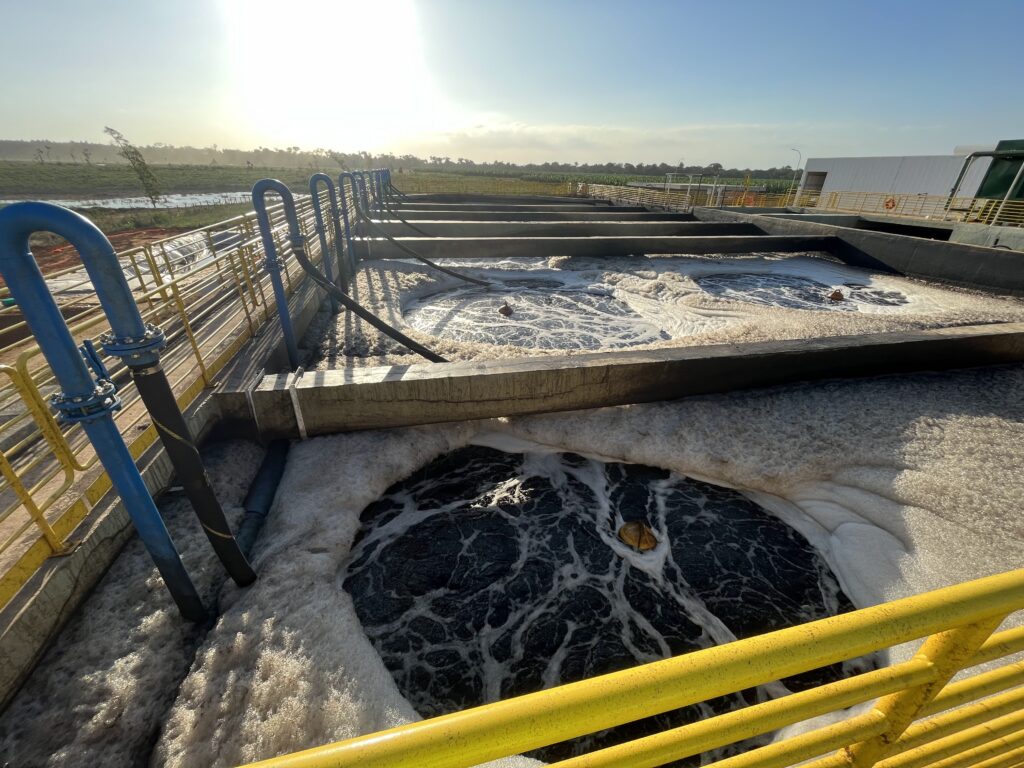
Problems caused by excess nutrients
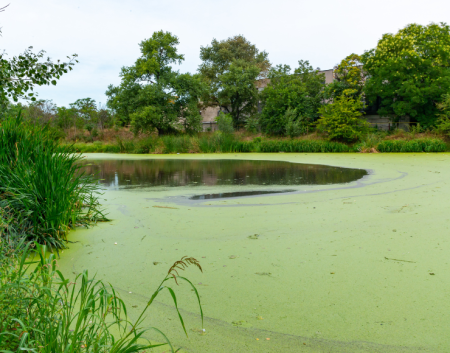
Excess nutrients, especially nitrogen (N) and phosphorus (P), can cause eutrophication, a process that promotes excessive growth of algae and aquatic macrophytes, resulting in oxygen depletion and degradation of water quality.
Nutrient removal is therefore an essential step in protecting the environment and public health. This article aims to discuss the main technical approaches to nutrient removal in WWTPs, highlighting the processes, technologies and challenges associated with their application.
Nutrients in Effluents
The nutrients present in domestic and industrial effluents come mainly from nitrogen compounds (ammonia, nitrate, nitrite) and phosphates (orthophosphates and polyphosphates). Their main sources include sanitary sewage, detergents, agricultural fertilizers and industrial discharges.
Controlling the release of these compounds is essential to avoid contamination of receiving bodies and ensure compliance with the environmental standards established by legislation, such as CONAMA Resolution No. 430/2011.
Nutrient Removal Processes
3.1 Biological processes
Biological processes exploit the metabolic activity of microorganisms to convert nitrogen and phosphate compounds into stable forms or remove them from the system.
- Nitrification-Denitrification: involves two main stages – the oxidation of ammonia (NH₃) to nitrate (NO₃-) by nitrifying bacteria, followed by the reduction of nitrate to gaseous nitrogen (N₂) by denitrifying bacteria.
- Biological Phosphorus Removal (EBPR): uses phosphorus-accumulating microorganisms (PAOs), which absorb and store phosphorus under alternating conditions of anaerobiosis and aerobiosis.
3.2 Chemical processes
Chemical processes are based on precipitation or adsorption reactions that convert nutrients into insoluble compounds.
- Chemical precipitation: carried out with iron, aluminum or calcium salts, forming metallic phosphate precipitates.
- Coagulation-Flocculation: promotes the agglomeration of particles and helps to remove suspended solids and phosphorus.
3.3 Physical processes
Physical processes, generally used as polishing steps, complement the removal of residual nutrients.
- Ultrafiltration: applies membranes with microscopic pores to retain colloidal and dissolved compounds, increasing the quality of the final effluent.
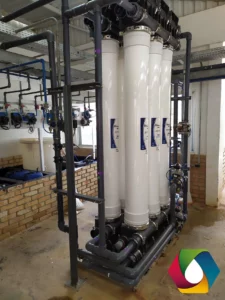
Learn more about these processes here: > Physical-Chemical Processes / Biological Processes
TECHNOLOGIES APPLIED TO NUTRIENT REMOVAL
Various technological configurations are used in WWTPs to optimize nutrient removal:
- Activated Sludge Process: widely used, it can be modified to include anoxic and anaerobic zones, favoring nitrification, denitrification and biological phosphorus removal.
- Sequencing Biological Reactors (SBRs): integrate the aeration and settling stages in a single reactor, allowing for greater operational flexibility.
- Integrated Systems: combine physical, chemical and biological processes to ensure greater efficiency and operational stability.
CHALLENGES AND OPPORTUNITIES
The efficiency of nutrient removal in WWTPs depends on factors such as temperature, hydraulic retention time, pH, carbon availability and dissolved oxygen.
Among the main challenges are:
- Operational complexity: strict control of environmental and biological parameters.
- Operating costs and reagents: especially in chemical processes.
- Need for continuous monitoring: use of sensors and automation to ensure stability and efficiency.
Opportunities include advances in automation, computer modeling and membrane technologies, which allow for greater control and a reduction in operating costs.
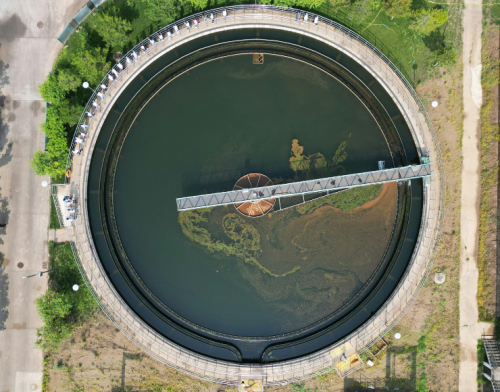
Treatment Systems and Processes
Nutrient removal in wastewater treatment plants is a fundamental step in preserving aquatic ecosystems and protecting public health. The success of these processes depends on the integration of biological, chemical and physical methods, as well as the application of modern monitoring and control technologies.
Find out more about our effluent treatment plants here: Wastewater Treatment Plant

