


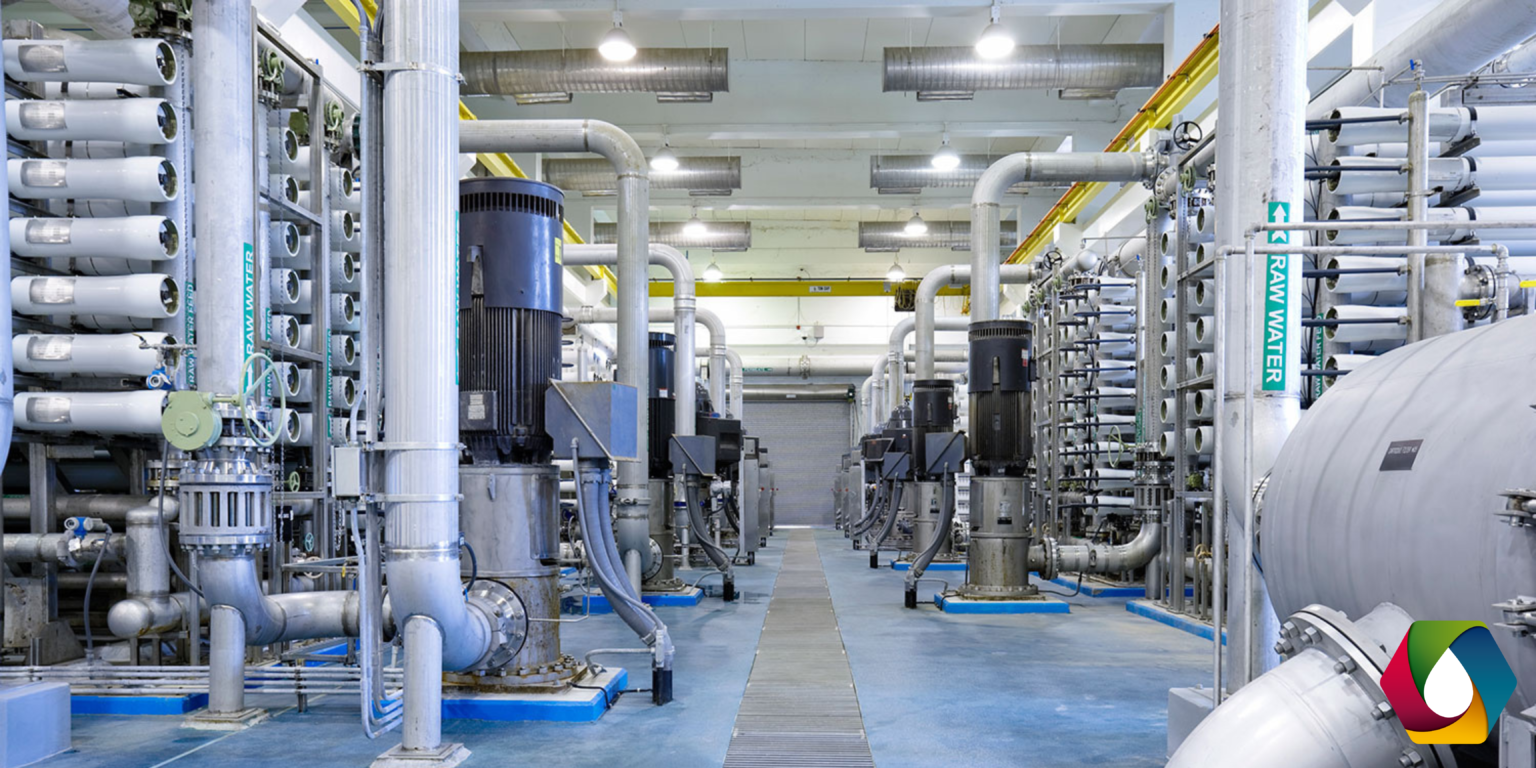
Emerging technologies in industrial wastewater treatment are transforming the management of pollution, water scarcity and regulatory compliance in companies. This change is driven not only by environmental pressure, but also by the economic need to avoid high costs, fines and loss of competitiveness caused by inefficient processes. In recent years, more intelligent, modular and energy-efficient solutions have emerged, allowing industries to improve their water governance and advance in water reuse, which represents a strategic opportunity not only for the environment, but also for the market.
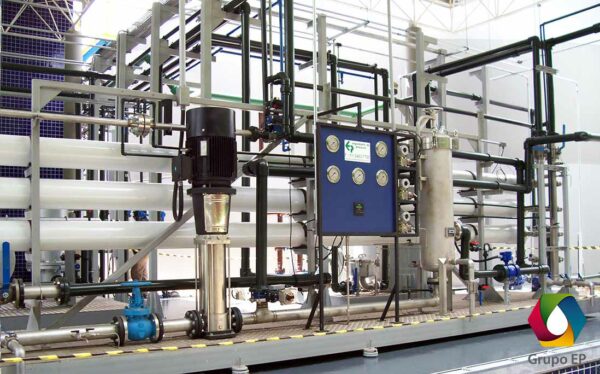
What are emerging technologies in industrial effluent treatment?
These are innovative methods, equipment and processes that use advances in chemistry, biotechnology, automation, advanced materials and artificial intelligence to improve the efficiency of contaminant removal. These technologies stand out for:
- Higher removal rate of complex pollutants;
- Reduced energy consumption;
- Digitization and automation of operational routines;
- Better ability to reuse and recover resources.
Unlike traditional systems, these solutions aim for total efficiency: less sludge, fewer reagents and more operational stability.
Why are emerging technologies important?
Adopting modern technologies is not a luxury – it’s industrial survival. Here’s the point that many managers underestimate: operating with outdated processes increases risk and reduces margins. Emerging technologies are important because:
- Allow water to be reusedreducing direct costs;
- Meet stricter environmental standardsand avoid penalties;
- Minimize waste generationreducing disposal costs;
- Improving operational predictabilitythanks to sensors and AI;
- They increase competitivenessand open doors to ESG certifications.
If your industry still operates with limited systems, you’re losing efficiency – and money – every day.
Main types of emerging technologies in industrial effluent treatment
1. Advanced Oxidative Processes (AOPs)
- Ozone;
- UV/H₂O₂;
- Fenton.
2. Membrane Bioreactors (MBR)
- They integrate biological processes with membrane separation;
- They produce high-quality effluent, ideal for industrial reuse.
3. Electrocoagulation and electro-oxidation
- Reduce the use of chemical coagulants/oxidants;
- Fast operation with less sludge generation.
4. Artificial Intelligence and IoT sensors
- Digital twins for simulation and optimization;
- Predictive control of reagent consumption;
- Continuous monitoring of critical parameters.
5. Advanced membranes
- Reverse Osmosis;
- Improved electrodialysis;
- Ceramic membranes – high durability and chemical resistance;
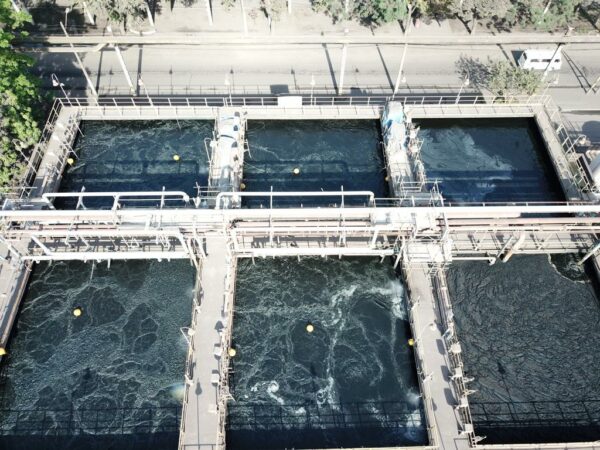
How to apply emerging technologies in an industrial system?
Practical implementation depends on sound technical diagnosis. Here is an objective guide:
1. Carry out a complete characterization of the effluent
- Identify recalcitrant contaminants;
- Understand variability throughout the production process;
- Evaluate organic load, metals, surfactants, solvents, etc.
2. Simulate scenarios with bench tests and pilots
- POAs for high TOC effluents;
- MBR for effluents with good biodegradability.
3. Integrate technologies (don’t rely on single solutions)
E.g: MBR → POA → Reverse Osmosis
4. Automate
Sensors for residual chlorine, turbidity, ORP, estimated COD and flow rate feed algorithms that adjust reagent doses automatically.
5. Evaluate CAPEX x OPEX with a focus on life cycle
Emerging technologies can have higher CAPEX but much lower OPEX.
Best practices and common mistakes in adopting emerging technologies
Good practices
- Assessing real treatabilitynot just technical data sheets;
- Consider peak loads e intermittencies;
- Integrate sensors and automation from the start;
- Test on a small scale before the final investment;
- Document efficiency indicators (TOC, metal removal, chemical consumption).
Common mistakes
- Thinking that “new technology solves everything” – without process engineering, nothing works;
- Ignore the impact of pre-treatment;
- Undersizing membrane maintenance;
- Rely exclusively on laboratory efficiency and ignore field variations;
- Implement without considering actual operating costs.
Conclusion
Emerging technologies in industrial effluent treatment represent a structural change in the way industry views its liquid waste. Instead of being a cost, they become an opportunity for efficiency, reuse and even value generation. Those who master these solutions gain a competitive advantage, reduce risks and position themselves in line with global sustainability requirements.