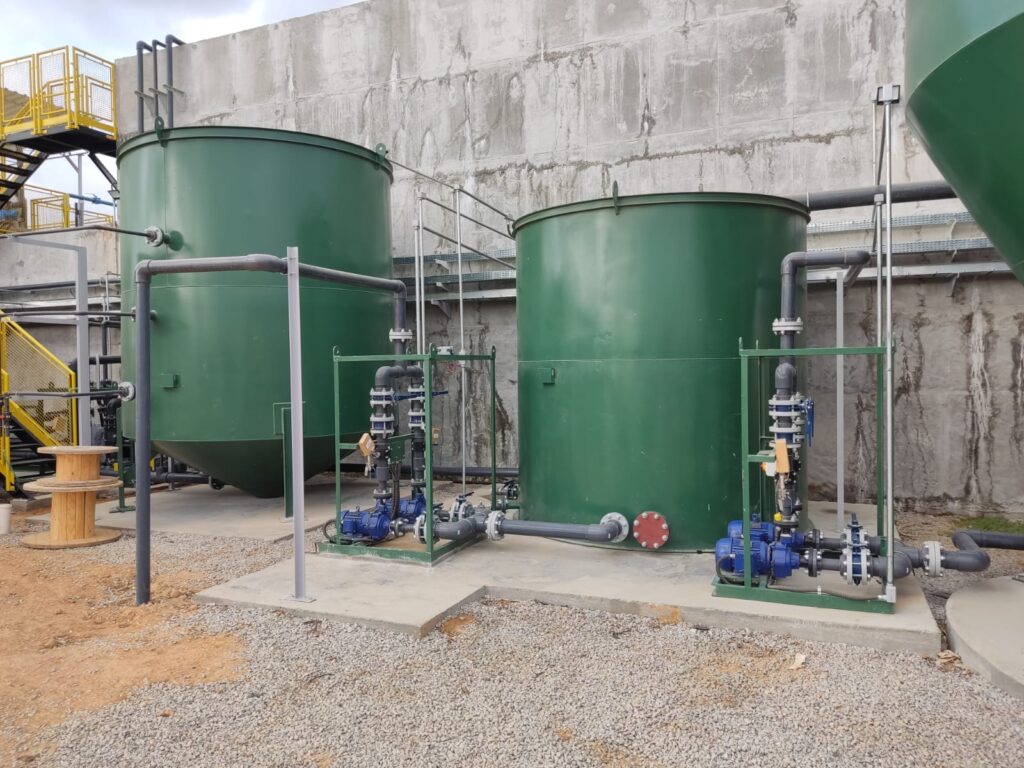
Low rate reactor
A low-rate anaerobic reactor is a wastewater treatment system that uses anaerobic biological processes to decompose organic matter in a controlled and efficient manner.
This type of reactor is designed to operate with lower organic loads and lower flow rates, making it ideal for applications where retention time is prolonged and gradual decomposition is required.
Benefits of low-rate anaerobic reactors
Efficiency in removing organic materials
Low-rate reactors are effective at removing organic matter from effluents, resulting in a significant reduction in the organic load. This method is particularly useful for effluents with a lower concentration of pollutants or for the initial stages of treatment.
Operational stability
Due to their lower loading and flow rates, low-rate reactors offer greater operational stability. They are less susceptible to variations in organic load and operating conditions, ensuring consistent and reliable performance.
Biogas production
Even when operating at lower rates, low-rate anaerobic reactors produce biogas, which can be captured and used as a renewable energy source. This contributes to energy sustainability and offers an additional solution for energy management.
Sludge reduction
Low-rate reactors generate less sludge compared to aerobic systems, making waste management and disposal easier. This results in lower operating costs and less environmental impact.
Diverse applications
Low-rate anaerobic reactors are versatile and can be applied in various industries, including food, beverage, pulp and paper, and organic waste treatment. They are also suitable for municipal wastewater treatment plants.
Interested in improving your water and wastewater treatment processes?
Contact us today to find out how our advanced systems can benefit your company.