


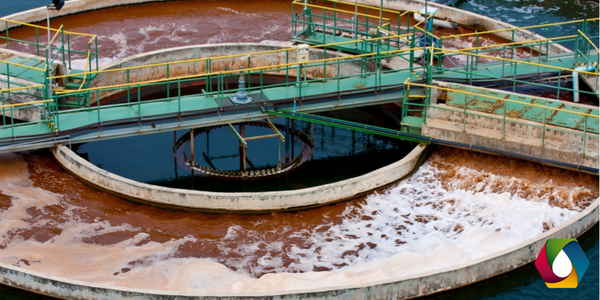
Para compreender o que fazer com o lodo gerado em ETA, é importante saber que esse resíduo, produzido durante o processo de tratamento de água, exige cuidados específicos para garantir segurança ambiental e atender às normas vigentes. A gestão correta do lodo de ETA contribui para reduzir impactos, otimizar custos operacionais e transformar resíduos em recursos.
O que é o lodo?
O lodo é o resíduo sólido resultante dos processos de tratamento de água (ETA) e efluentes (ETE). Ele contém materiais inorgânicos, orgânicos e micro-organismos. O manejo adequado é essencial para evitar contaminações e garantir a sustentabilidade ambiental.
Como o lodo é gerado em uma ETA?
O lodo é resultado das etapas de coagulação, floculação, decantação e filtração, onde impurezas são removidas da água bruta. Esse material possui alta umidade e composição variável, o que influencia diretamente na forma de tratamento e descarte.
Tipos de Lodo
Origem | Características |
ETA | Rico em materiais inorgânicos como alumínio, ferro e areia fina. |
ETE | Contém matéria orgânica, microrganismos e nutrientes como nitrogênio e fósforo. |
Principais opções para tratar e destinar o lodo de ETA
A seguir, veja as alternativas mais utilizadas quando se fala em o que fazer com o lodo gerado em ETA:
1. Espessamento e desaguamento
Processos como centrífugas, filtros prensa e leitos de secagem reduzem o volume do lodo, facilitando o transporte e diminuindo custos de disposição.
2. Disposição em aterro sanitário
É uma das soluções mais comuns, desde que o lodo seja classificado corretamente e atenda aos requisitos ambientais.
3. Reuso na construção civil
Em alguns casos, após tratamento adequado, o lodo pode ser utilizado na fabricação de tijolos, cerâmicas ou como insumo em pavimentação, contribuindo para a economia circular.
4. Reaproveitamento agrícola (quando permitido)
Alguns tipos de lodo, devidamente estabilizados e analisados, podem ser usados como condicionadores de solo. Essa aplicação depende de regulamentações locais e da composição do material.
5. Secagem térmica e coprocessamento
Tecnologias avançadas permitem transformar o lodo em material energético ou reduzir ainda mais o volume para descarte final.
Passos para o manejo correto
- Realizar a drenagem e desaguamento do lodo em leitos ou centrífugas.
- Armazenar temporariamente em local impermeabilizado e coberto.
- Classificar o lodo conforme NBR 10004 (resíduo Classe I, II-A ou II-B).
- Destinar corretamente de acordo com a classificação (reutilização, coprocessamento, aterro ou compostagem).
Possíveis Destinos
Destino | Descrição |
Reuso Agrícola | Uso como corretivo de solo, conforme laudo agronômico. |
Coprocessamento | Utilização em fornos de cimento como combustível alternativo |
Aterro Industrial | Disposição segura para lodos classificados como não reutilizáveis. |
Compostagem | Mistura com resíduos orgânicos para produção de composto. |
Boas Práticas
- Evitar o descarte direto em corpos d’água.
- Registrar volume e destino do lodo periodicamente.
- Manter áreas de armazenamento limpas e sinalizadas.
- Garantir o uso de EPIs pelos operadores.
Benefícios do manejo adequado
- Redução de riscos ambientais e legais.
- Melhoria da imagem institucional.
- Possibilidade de reaproveitamento sustentável.
- Cumprimento das normas ambientais vigentes.
Grupo EP ‒ Sustentabilidade e Excelência no Tratamento de Água e Efluente
Por que é importante tratar o lodo de ETA?
Gerir corretamente esse resíduo evita contaminações, garante o cumprimento de normas ambientais e pode gerar valor econômico por meio de reaproveitamento e redução de custos operacionais.
Conclusão
Saber o que fazer com o lodo gerado em ETA é essencial para operações mais eficientes e sustentáveis. A escolha da melhor solução depende das características do lodo, da infraestrutura disponível e da legislação aplicável. Investir em tecnologias e boas práticas é fundamental para transformar um desafio ambiental em oportunidade.
Legislação e Referências
- CONAMA 430/2011 ̶ Condições e padrões de lançamento de efluentes.
- NBR 10004/2004 ̶ Classificação de resíduos sólidos.
- Manual de Operação das ETAs e ETEs - Grupo EP