


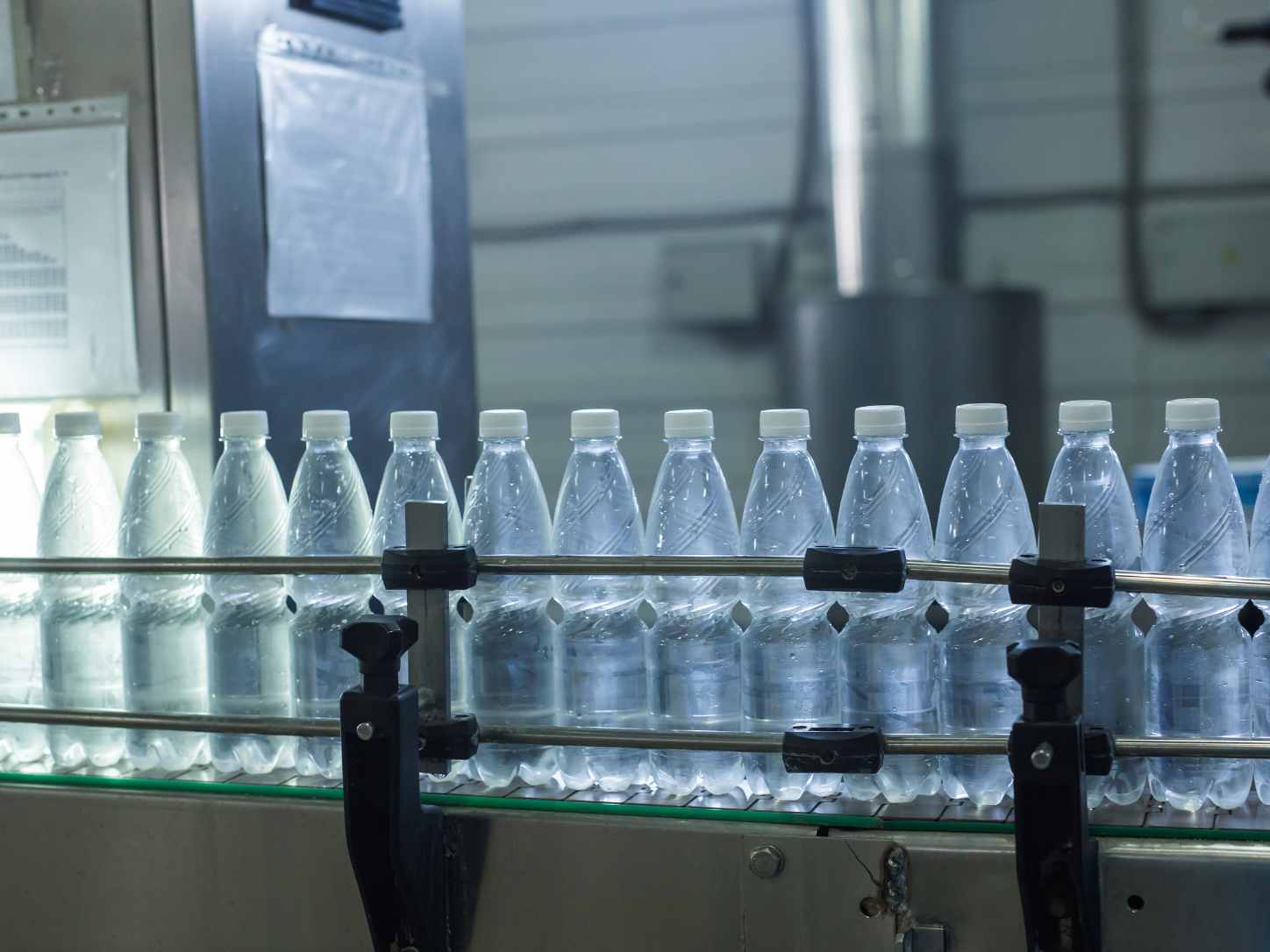
Recently, consumption of bottled water (natural mineral water, natural water, and water with added salts) has been growing considerably among Brazilian households due to the perception that it is an inherently safe and pure product, mistrust in the quality of water supplied by the public water system, the pursuit of a healthier lifestyle by replacing sugary drinks, and the convenience of using 20-liter jugs in homes and offices.
Conversely, the microbiological vulnerability of the sources and the bottling process leads to an increase in the presence of microorganisms in bottled mineral water, particularly the bacterium Pseudomonas aeruginosa. The number of bottling companies has been growing at the same rate to meet the demand for mineral water. At the same time, water sources are being degraded to meet market demands, public health risks are increasing, and inspections for this opportunistic bacterium present in mineral water are being stepped up.
What is Pseudomonas aeruginosa?
The microorganism Pseudomonas aeruginosa It is a Gram-negative bacterium that can be found everywhere and is considered an opportunistic pathogen. The risk of this pathogen causing serious infections in the general population through oral ingestion is low, since the gastric barrier and a healthy immune system usually neutralize small bacterial loads. However, the presence of P. aeruginosa may cause mild gastrointestinal disturbances. On the other hand, the real danger lies with people in high-risk groups: the elderly, newborns, transplant recipients, cancer patients, or those with chronic diseases. The ingestion of P. aeruginosa In immunocompromised individuals, it can progress to severe systemic infections, such as bacteremia and sepsis, and opportunistic infections in soft tissues if the water is used for hygiene purposes. In addition, another complicating factor for the general population is natural and acquired resistance to multiple antibiotics, which complicates clinical treatment should an infection develop.
Beverage Bottling Companies and Brazil’s Water Resources
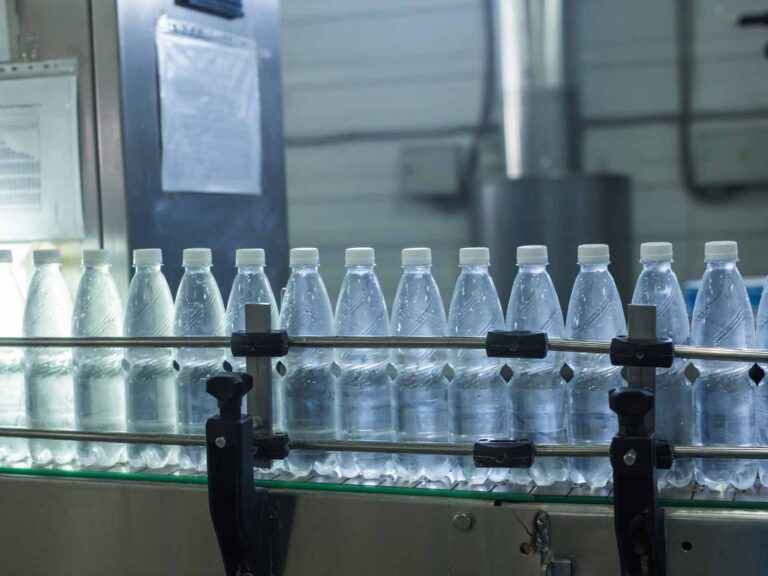
In Brazil, the number of bottling companies has been increasing because the mineral water bottling process is less complex than other food processing and beverage production and bottling processes. Another reason is the high local profit margin; since water is a regional resource, small and medium-sized bottling companies are able to tap into local water sources and compete strongly by eliminating interstate transportation costs. Another contributing factor is the abundance of water resources in Brazil, as we have large underground reserves—such as the Guarani Aquifer and the Serra Geral Aquifer, among others—which facilitate the exploration of new mineral water sources.
Urban sprawl into aquifer recharge areas increases the risk of contaminant infiltration, such as domestic and industrial sewage and trash. In addition, the intensive use of fertilizers and pesticides in nearby areas causes nutrient leaching near water sources, which facilitates the spread of these opportunistic bacteria. Another contributing factor is the long periods of severe drought, which reduce the volume of aquifers and concentrate pollutants, while torrential rains can cause flash floods that quickly infiltrate the soil without proper natural filtration, leading to direct microbiological contamination. Structural failures in extraction wells due to wear and tear or lack of maintenance of the sanitary seals on pipes and wellheads, allowing polluted surface water to enter.
Inspection and monitoring efforts have increased in Brazil due to high-profile media reports of batches being recalled because of microbiological contamination, which have forced health surveillance authorities to step up routine inspections and sampling. In addition, state and national monitoring programs have been strengthened and are now more structured and frequent. Another contributing factor is consumer pressure and the ease with which digital channels allow consumers to file complaints directly with regulatory agencies.
ANVISA Regulations and Microbiological Standards
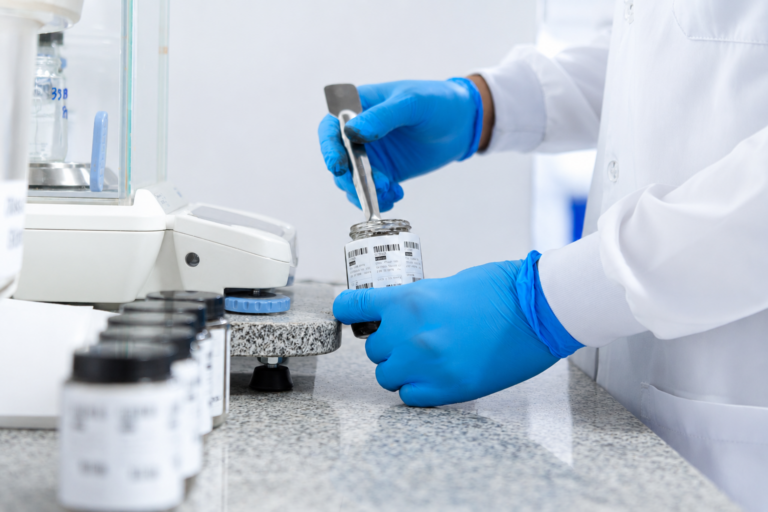
ANVISA’s RDC No. 724/202 and IN No. 161/2022 establish the general microbiological monitoring standards for bottled water and the general rules for decision-making and interpretation of results. The presence of the bacterium Pseudomonas aeruginosa In bottled water, there is zero tolerance. Of the five subsamples analyzed, none may contain a single colony-forming unit (CFU) of this bacterium. For this reason, rigorous sanitization of the bottling equipment and packaging must be performed to prevent the formation of biofilms highly resistant to this opportunistic pathogen. In addition, periodic laboratory microbiological analyses to detect and quantify Pseudomonas aeruginosa using a membrane filtration technique must be performed both at the source (raw water) and on the finished product (bottles and jugs).
EP Analítica: A Leading Laboratory in Analytical Testing
Our laboratory is ABNT NBR ISO/IEC 17025 accreditedensuring that all processes and analyses are carried out with technical rigor and proven reliability. We have highly qualified and trained professionals, as well as state-of-the-art methods and equipment, enabling us to generate consistent and accurate results. With this accreditation, we ensure compliance with current legislation on the quality of water for hemodialysis, offering our clients the confidence that they are receiving services of excellence and total safety for the treatment of their patients.
In addition to analyzing bottled water using LQ 1.1 NMP/250 mL, our laboratory tests a variety of matrices using recognized methods (SMWW and EPA) and maintains high technical standards. Main services:
- Bacteriological analyses
- Physico-chemical analysis
- Groundwater and Surface Water Monitoring
- Assessment of Industrial and Sanitary Effluents
- Determination of cyanide, sulphide, heavy metals and organic compounds
- Water Conductivity Monitoring
Article by Karen Fernanda de Oliveira
References
- ANM Resolution No. 193/2024; Mineral Waters Code—Decree-Law No. 7,841/1945.
- DOQ-CGCRE-044 Rev. 04 – INMETRO; technical guidelines of the LAMIN/SGB Network.
- RDC No. 717, dated July 1, 2022. This regulation establishes the health requirements for the extraction of natural mineral water and natural water.
- RDC No. 724, dated July 1, 2022. This regulation establishes microbiological standards for food and their application.
- Normative Instruction No. 161, dated July 1, 2022. Establishes microbiological standards for food.
- Fernandes, A. C. G., Silva, B. F., Oliveira, C. R., et al. Bacteriological study involving the detection of Pseudomonas aeruginosa in drinking water. Research, Society, and Development, v. 12, no. 4., 2023.
- Souza, A. P., et al. Survival and development of Pseudomonas aeruginosa in experimentally contaminated mineral water. Adolfo Lutz Research Institute. São Paulo, 2019.
- Pedrosa, A. P., et al. Research on virulence factors in Pseudomonas aeruginosa isolated from natural mineral waters. Rev. Ambient. Água, vol. 9, no. 2, 2014.