



The Importance of Analysis for the Vinasse Application Plan (VAP)

Have you done your analysis for the EPI? The sugar-energy harvest is about to begin and the time for monitoring is now. To ensure compliance with the CETESB guidelines regulating the application of vinasse in the state of São Paulo (Standard P4.231), monitoring of the PAV needs to take place during the cycle and not […]
Water bankruptcy and water reuse: the role of industry and the urgent need to act

The discussion about water has gone up a level. Recently, the UN brought up the term water bankruptcy, increasing the seriousness of what we used to call a “crisis”. This change in terminology reflects a critical scenario: the availability and quality of water can no longer sustain demand, whether due to pressure on water sources […]
Remote monitoring in sanitation: how technology transforms operational control and decision-making
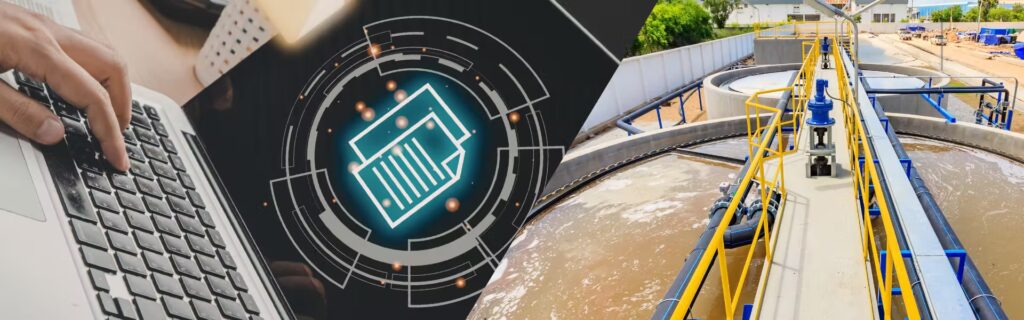
For a long time, sanitation, whether public or private, was operated essentially in person. Monitoring systems depended on constant visits, manual records, isolated spreadsheets and often the memory of experienced operators. This model worked for decades, but began to show clear limits in the face of more complex operations, stricter regulatory requirements and the growing […]
Hemodialysis water: understand the importance of treatment and monitoring

The quality of the water used in hemodialysis is a critical factor for patient safety and treatment effectiveness. Unlike other applications, water for hemodialysis comes into direct contact with the bloodstream, albeit indirectly, requiring extremely strict standards of treatment, control and monitoring. In this article, you will understand how hemodialysis works, why water needs to […]
The Checklist for an efficient WWTP in 2026
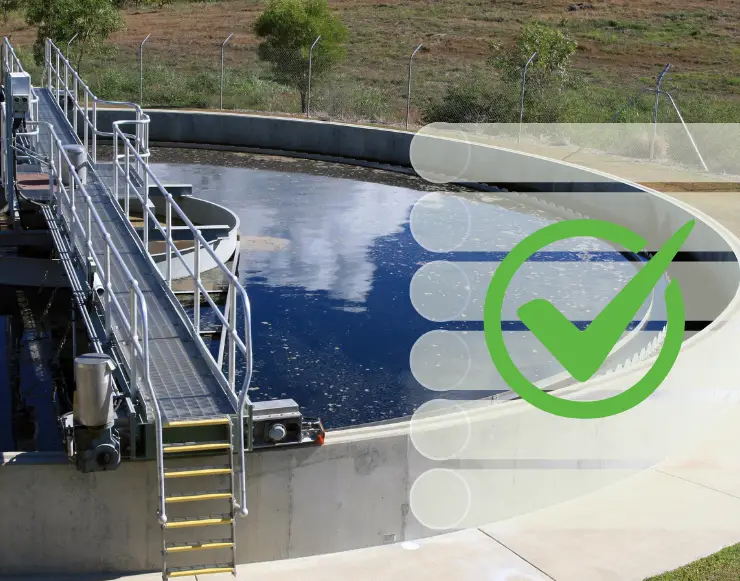
Find out what industries need to review now to mitigate risks, reduce costs and ensure environmental compliance all year round. The start of a new year is the ideal time for industries to review their environmental and operational processes.When it comes to wastewater treatment plants, planning is synonymous with efficiency, economy and regulatory safety. With […]
EP Group has PDI projects approved under the Lei do Bem by MCTI
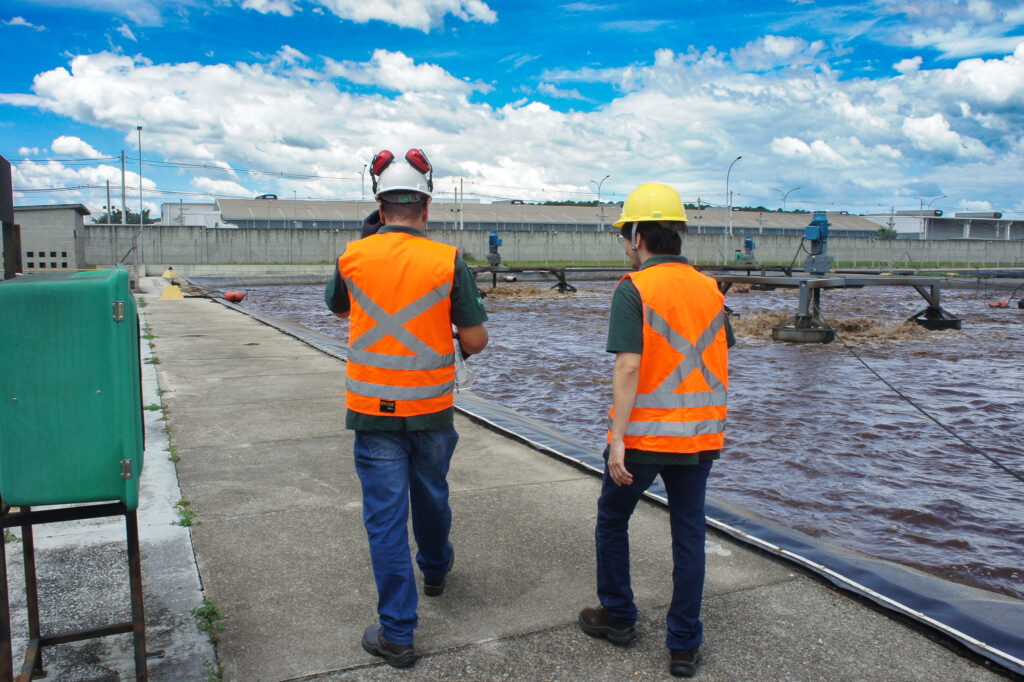
We are pleased to announce that EP Process Engineering has received a favorable from the Ministry of Science, Technology and Innovation (MCTI) in the analysis of projects submitted to the Lei do Bem (Law No. 11.196/2005). All contested projects and expenditures were 100% approveda milestone that reinforces the EP Group’s scientific and technological capacity. What […]
ESG emergency response in water and effluents: essential service for sustainability
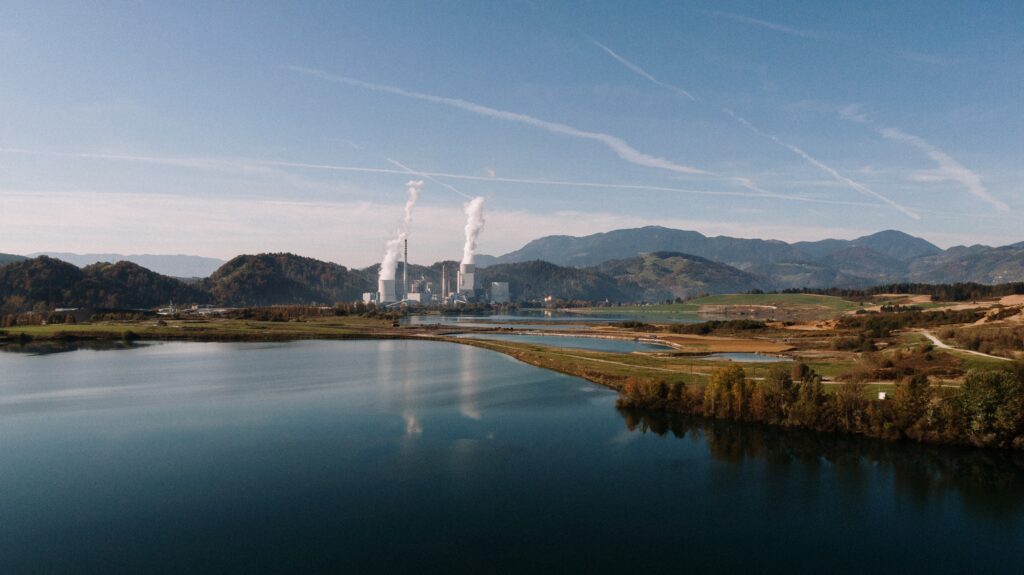
In recent years, the search for an ESG emergency response company in water and wastewater has grown significantly. The reason is clear: organizations of all sizes have been pressured by investors, consumers and regulators to operate with environmental, social and governance responsibility, including the ability to prevent, react to and mitigate environmental incidents efficiently. In […]
How to reduce fouling in reverse osmosis membranes?

Fouling in reverse osmosis membranes membranes is a critical problem that compromises efficiency, increases energy consumption and raises operating costs in water treatment systemsmineral deposits require higher pressures, reduce the flow of treated water and force frequent chemical cleanings. Recently, the control of this fouling has evolved from a simple operational practice to an essential […]
Emerging technologies in industrial effluent treatment
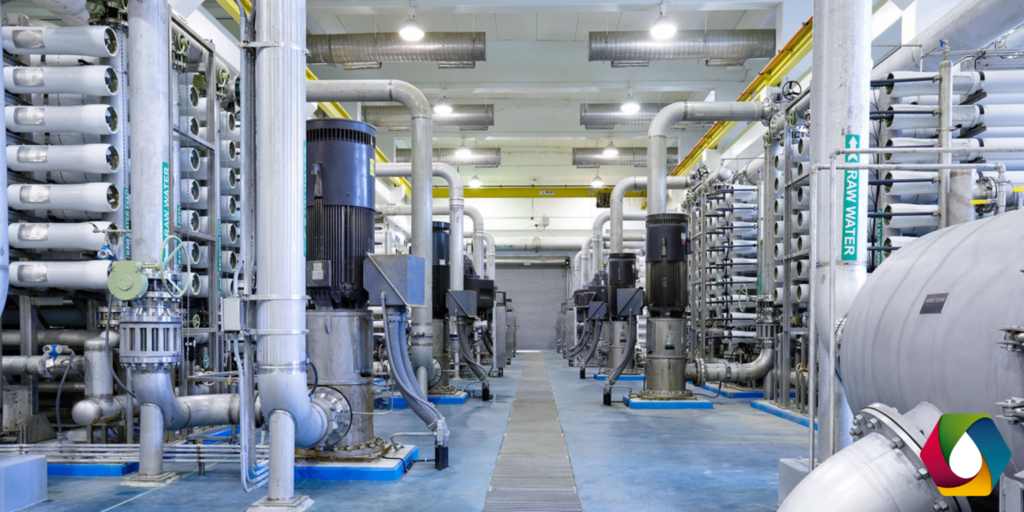
Emerging technologies in industrial wastewater treatment are transforming the management of pollution, water scarcity and regulatory compliance in companies. This change is driven not only by environmental pressure, but also by the economic need to avoid high costs, fines and loss of competitiveness caused by inefficient processes. In recent years, more intelligent, modular and energy-efficient […]
Biogas Generation from a Wastewater Treatment Plant
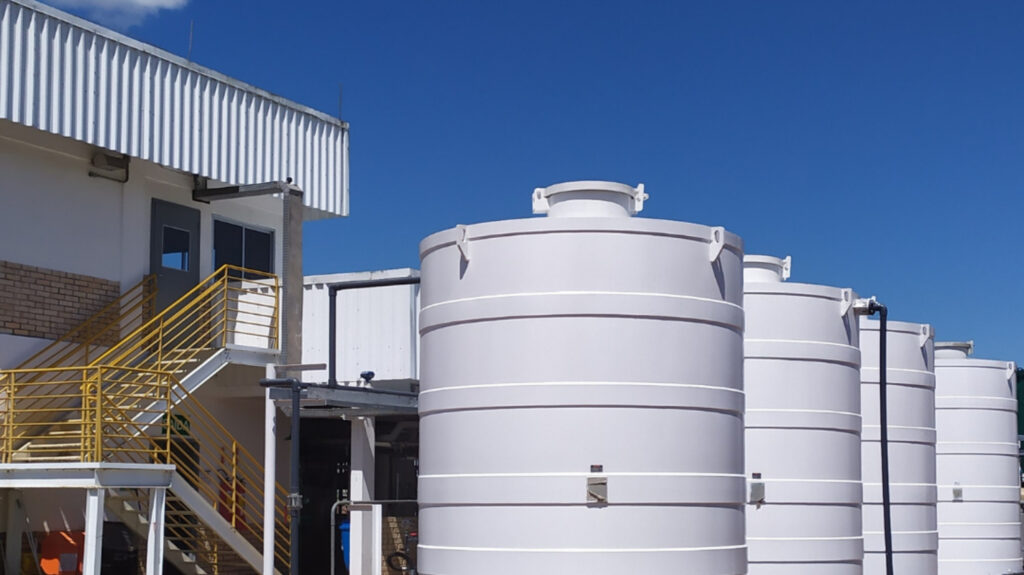
Generating biogas from from a biogas Treatment Treatment Treatment Plant (STP) is a sustainable way of taking advantage of the organic matter in waste, reducing energy costs and environmental impacts.. Main Steps to Generate Biogas Sludge production: During sewage treatment, the formation of biological sludge, rich residue in matter organic, which é a main materialcousin […]